

Hantavirus cases are drawing global attention in 2026. Learn symptoms, causes, transmission, treatment, and how to stay safe.
What Is Hantavirus?
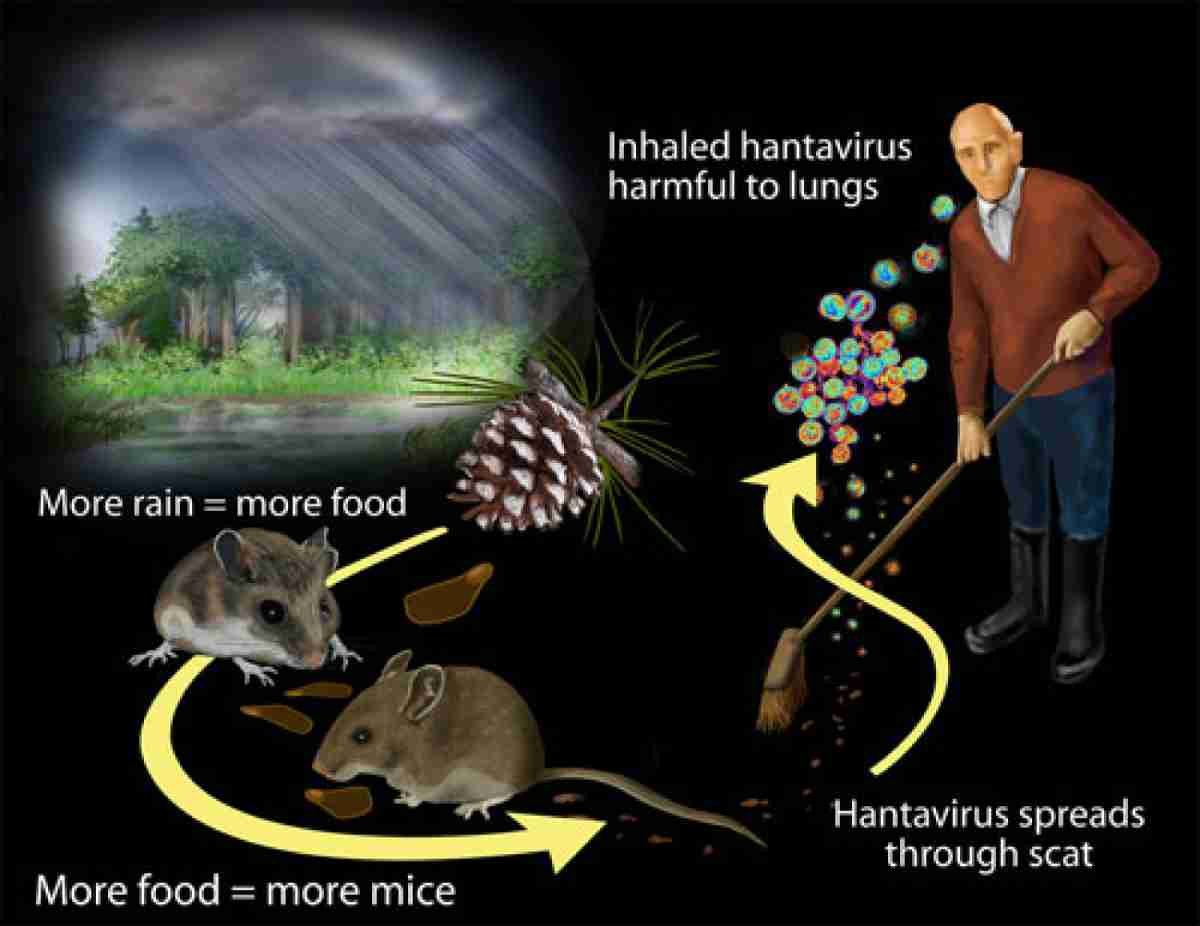
Hantavirus is a rare but potentially life-threatening infectious disease caused by a group of viruses carried by rodents. Humans typically become infected through contact with rodent urine, droppings, or saliva, often when these particles become airborne and are inhaled.
The illness is most commonly associated with Hantavirus Pulmonary Syndrome (HPS) in the United States—a severe respiratory condition that can escalate rapidly if not treated early.
Why Hantavirus Is Making Headlines in 2026
Recent reports have brought hantavirus back into focus, with health authorities monitoring isolated cases across North America and other regions. While not widespread, the disease’s high fatality rate makes every reported case significant.
Public health agencies are urging increased awareness, especially in rural areas and places where rodent exposure is more likely, such as cabins, farms, and storage facilities.
Hantavirus Symptoms: Early Warning Signs
Symptoms usually appear 1 to 8 weeks after exposure and can worsen quickly.
Early Symptoms:
- Fever and chills
- Muscle aches (especially thighs, hips, back)
- Fatigue
- Headaches
- Nausea or vomiting
Severe Symptoms (HPS Stage):
- Shortness of breath
- Coughing
- Fluid buildup in the lungs
- Rapid heartbeat
Important: Once breathing difficulties begin, the condition can become critical within hours. Immediate medical attention is essential.
How Hantavirus Spreads
Hantavirus is not typically spread from person to person in the United States. Instead, infection occurs through:
- Breathing in contaminated air (most common)
- Touching contaminated surfaces and then touching the face
- Rodent bites (rare)
Common Risk Environments:
- Abandoned buildings
- Cabins or sheds
- Farms and barns
- Areas with visible rodent infestation.
Types of Hantavirus Diseases
There are two major clinical forms:
1. Hantavirus Pulmonary Syndrome (HPS)
- Found mainly in North and South America
- Affects the lungs
- High fatality rate (around 30–40%)
2. Hemorrhagic Fever with Renal Syndrome (HFRS)
- More common in Europe and Asia
- Affects kidneys
- Symptoms include bleeding and low blood pressure.
Causes and Risk Factors
The primary carriers of hantavirus are rodents, particularly:
- Deer mice
- Cotton rats
- Rice rats
- White-footed mice
High-Risk Activities:
- Cleaning rodent-infested areas without protection
- Camping or hiking in infested regions
- Living in poorly sealed homes.
Diagnosis and Treatment
Diagnosis:
Doctors diagnose hantavirus through:
- Blood tests
- Symptom evaluation
- Exposure history
Treatment:
There is no specific cure or antiviral treatment for hantavirus. However, early hospitalization can significantly improve survival chances.
Treatment typically includes:
- Oxygen therapy
- Intensive care support
- Fluid management.
How to Prevent Hantavirus
Prevention is the most effective defense.
Safety Tips:
- Seal holes and gaps in homes
- Store food in rodent-proof containers
- Avoid sweeping or vacuuming rodent droppings (this spreads particles)
- Use disinfectant before cleaning contaminated areas
- Wear gloves and masks when cleaning risky spaces
Safe Cleaning Method:
- Ventilate the area for at least 30 minutes
- Spray disinfectant on droppings
- Use paper towels to clean
- Dispose of waste safely.
Latest Hantavirus Updates (2026)
Health authorities continue to monitor sporadic cases, particularly in rural regions of the United States. While there is no confirmed large-scale outbreak, experts emphasize vigilance due to the disease’s severity.
Increased awareness campaigns are being rolled out to educate the public on prevention and early symptom recognition.
When to See a Doctor
Seek immediate medical care if you experience:
- Sudden fever with rodent exposure history
- Severe shortness of breath
- Rapid worsening of flu-like symptoms
Early treatment can be life-saving.
Frequently Asked Questions (FAQs)
Is hantavirus deadly?
Yes. Hantavirus Pulmonary Syndrome has a fatality rate of up to 40% if not treated early.
Can hantavirus spread between humans?
In the U.S., it is extremely rare and generally not transmitted person-to-person.
Where is hantavirus most common?
It is most commonly reported in rural areas with high rodent populations.
Is there a vaccine for hantavirus?
Currently, there is no widely available vaccine.
Meanwhile, PhilipsNews reports that Hantavirus remains a rare but serious health threat in 2026. While the risk to the general population is low, awareness and prevention are crucial—especially for those in high-risk environments.
Understanding how the virus spreads and recognizing early symptoms can make the difference between recovery and severe illness.
Staying informed, maintaining clean living spaces, and taking proper precautions are the best ways to stay safe.



![BREAKING: Popular SPAR Shopping Mall On Fire [Video]](https://philipsnews.com/wp-content/uploads/2026/08/resizeplus_SPAR-Shopping-Mall-120x86.jpeg)



![Blaqbonez Reveals Cause of Feud with Odumodublvck [Video]](https://philipsnews.com/wp-content/uploads/2026/08/resizeplus_Odumodublvck-and-Blaqbonez-120x86.jpg)
![JUST IN: Wike Begins Demolition in Maitama Abuja Over Flooding [VIDEO]](https://philipsnews.com/wp-content/uploads/2026/08/resizeplus_dEMOLITION-IN-mAITAMA-nYESOM-WIKE-350x250.jpg)