

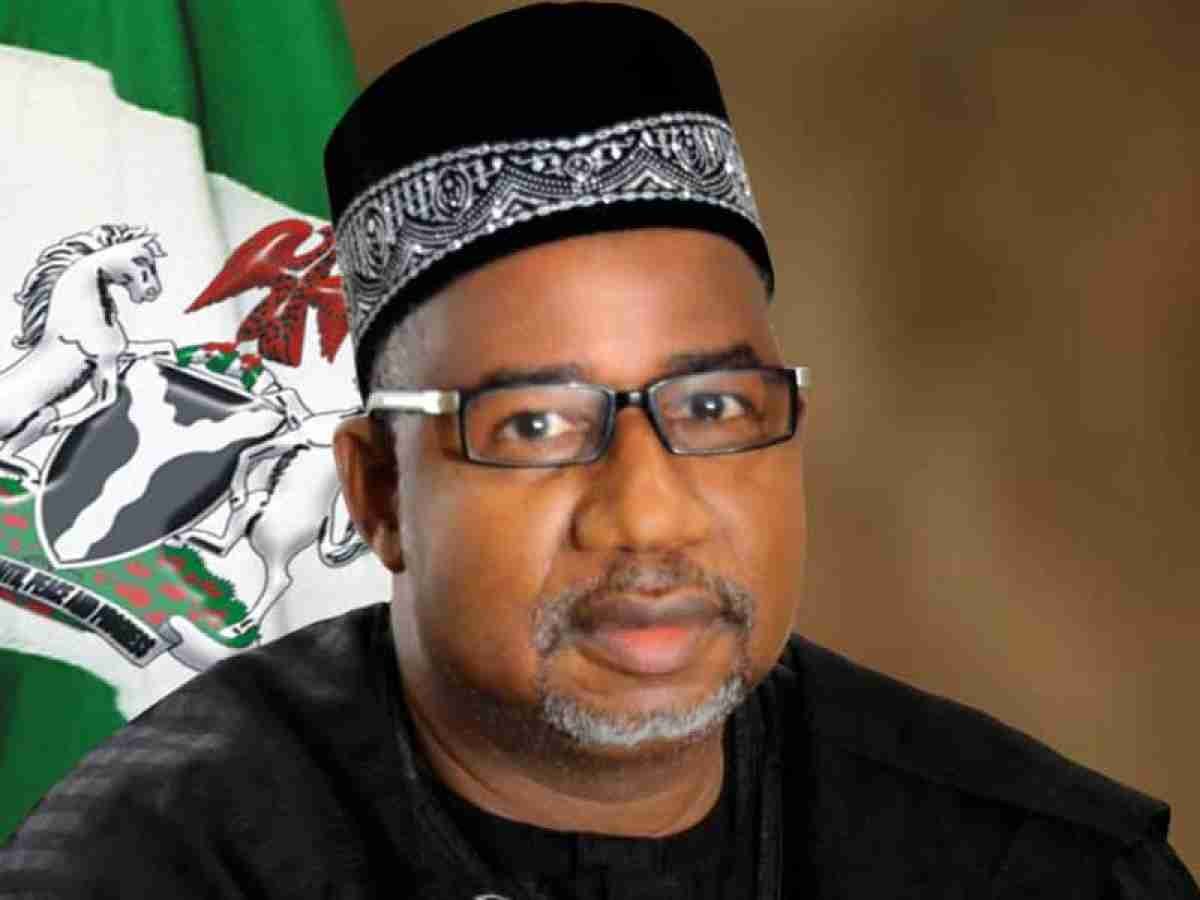
Bauchi Governor Bala Mohammed has defected from PDP to APM in a major political shift ahead of the 2027 elections. Full details and reactions.
Philips News reports that Bauchi State Governor Bala Mohammed has officially defected from the Peoples Democratic Party (PDP) to the Allied Peoples Movement (APM) in a major political development that could reshape Nigeria’s opposition landscape ahead of the 2027 general elections.
The governor announced his decision on Saturday, May 2, 2026, following consultations with political allies and stakeholders in Bauchi State.
Why Bala Dumped PDP
Explaining his decision, Mohammed pointed to the ongoing crisis within the PDP, which has deepened following a recent Supreme Court ruling affecting the party’s leadership structure.
According to him, efforts to stabilize the party failed despite high-level consultations in Abuja, leaving uncertainty about its future direction.
He noted that the situation created a political vacuum, making it necessary to seek a more stable and viable platform.
Supreme Court Ruling Changed the Game
The governor revealed that the Supreme Court judgment, which nullified parallel conventions conducted by rival PDP factions, significantly altered the party’s internal structure.
The ruling effectively left both factions without clear legal standing, with the party’s Board of Trustees temporarily overseeing its affairs—further deepening internal tensions.
Mohammed said this development made it difficult to continue within the party under the prevailing conditions.
A Strategic Move Ahead of 2027
Describing the defection as “strategic,” the governor said the move to APM is aimed at repositioning politically ahead of the next general elections.
He emphasized the need to provide his supporters with a credible platform capable of securing electoral success and sustaining governance in the state.
He added that leadership requires giving direction and ensuring that political structures remain intact.
Loyalists Move With Him
Reports indicate that Mohammed defected alongside key political allies and structures across ward, local government, and state levels.
This mass movement is expected to strengthen the APM’s presence in Bauchi and potentially influence political alignments in other parts of the country.
Gratitude to PDP
Despite his exit, the governor expressed appreciation to the PDP, noting that the party provided the platform for his political rise and service to the state.
He described his departure as a necessary decision rather than one driven by bitterness, stressing that it was in the best interest of governance and political stability.
Political Reactions and Implications
The defection has triggered widespread reactions across Nigeria’s political space:
- PDP supporters see it as a major setback for the party
- APM stakeholders view it as a significant boost ahead of 2027
- Political analysts say it signals ongoing realignments within opposition parties
Observers believe more defections could follow as politicians reposition ahead of the elections.
What This Means for Nigeria’s Politics
Bala Mohammed’s move highlights the growing instability within major political parties and the increasing importance of strategic alliances ahead of national elections.
With the 2027 polls approaching, such high-profile defections are expected to play a crucial role in shaping Nigeria’s political future.
Meanwhile, PhilipsNews reports that Bala Mohammed’s decision to leave the PDP for the APM marks a significant turning point in Nigeria’s political landscape. As events continue to unfold, attention will remain on how this shift impacts party dynamics, electoral strategies, and the broader balance of power.
![BREAKING: INEC Declares Ademola Adeleke Winner of Osun Election 2026 [Video]](https://philipsnews.com/wp-content/uploads/2026/08/resizeplus_Gov-Adeleke-osun-1000x600-1-360x180.jpg)


![BREAKING: Popular SPAR Shopping Mall On Fire [Video]](https://philipsnews.com/wp-content/uploads/2026/08/resizeplus_SPAR-Shopping-Mall-120x86.jpeg)

![Blaqbonez Reveals Cause of Feud with Odumodublvck [Video]](https://philipsnews.com/wp-content/uploads/2026/08/resizeplus_Odumodublvck-and-Blaqbonez-120x86.jpg)
![JUST IN: Wike Begins Demolition in Maitama Abuja Over Flooding [VIDEO]](https://philipsnews.com/wp-content/uploads/2026/08/resizeplus_dEMOLITION-IN-mAITAMA-nYESOM-WIKE-350x250.jpg)