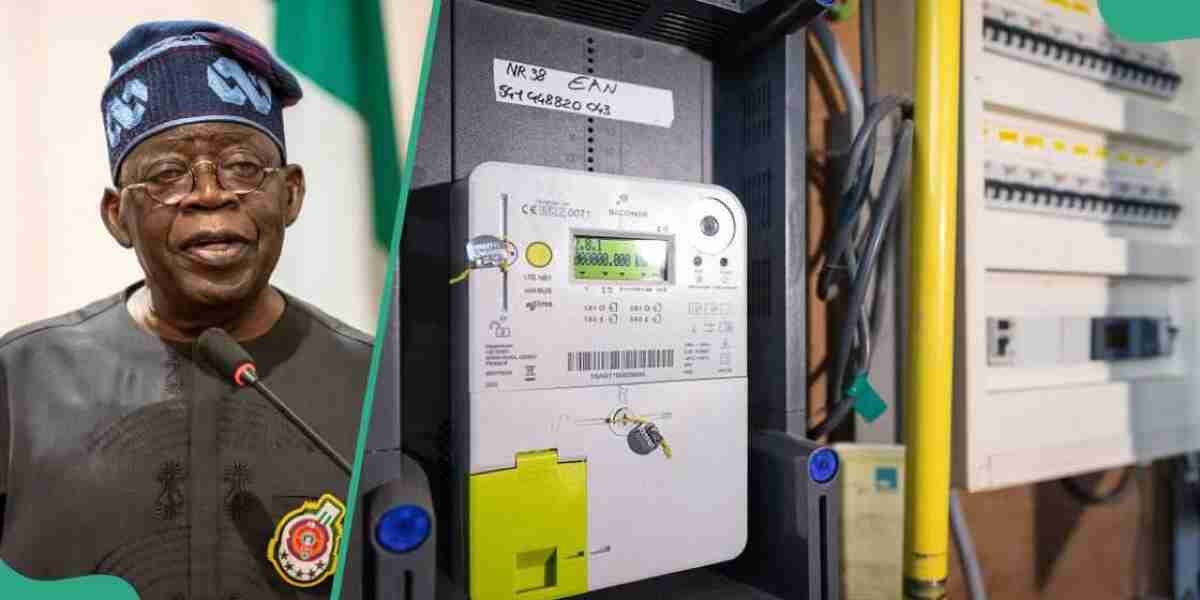
Fresh concerns are emerging across Nigeria’s power sector after the Managing Director of the Niger Delta Power Holding Company (NDPHC), Jennifer Adighije, called on the Federal Government to increase electricity tariffs and gradually remove subsidies for consumers.
Philips News reports that the development has sparked nationwide reactions, especially as millions of Nigerians continue to struggle with rising living costs, inflation, and unstable power supply.
According to reports, the NDPHC boss argued that the current electricity subsidy regime is no longer sustainable and is worsening the financial crisis facing Nigeria’s power sector.
Power Sector Facing Serious Financial Pressure
Speaking on the state of the electricity industry, Adighije reportedly revealed that only a small percentage of market invoices are currently being paid, creating severe liquidity problems across the sector.
She explained that many electricity operators are struggling to meet operational costs, maintain infrastructure, and pay for gas supplies needed for power generation.
The NDPHC chief stressed that introducing fully cost-reflective tariffs would help restore investor confidence, attract private sector participation, and improve long-term electricity supply in the country.
Nigerians May Pay Higher Electricity Bills
The latest call has raised fears that Nigerians could soon face another electricity tariff increase.
Over the past two years, the Federal Government and the Nigerian Electricity Regulatory Commission (NERC) have already implemented several reforms aimed at reducing subsidy payments in the power sector.
In 2024, electricity tariffs for Band A customers were significantly increased as part of efforts to move towards a cost-reflective pricing system. Government officials later hinted that similar adjustments could eventually affect other electricity bands nationwide.
Industry experts say another tariff review could place additional pressure on households and businesses already battling economic hardship.
Why FG May Consider Tariff Hike
Authorities believe the current subsidy system is placing heavy pressure on government finances and discouraging investment in the electricity sector.
Power generation companies have repeatedly warned that rising gas prices, infrastructure challenges, and unpaid debts are threatening the stability of electricity supply across Nigeria.
Supporters of tariff reforms argue that higher electricity prices could help improve power generation, transmission, and distribution over time.
However, many Nigerians insist that electricity supply must improve significantly before any further increase in tariffs can be justified.
Mixed Reactions Trail Proposal
The proposal has already triggered mixed reactions online.
While some analysts believe subsidy removal could eventually strengthen the power sector, critics argue that increasing tariffs without stable electricity would worsen hardship for ordinary Nigerians.
Consumer groups have also continued to call on the Federal Government and electricity distribution companies to improve service delivery, reduce estimated billing, and address frequent national grid collapses before introducing additional charges.
Nigeria’s Power Challenges Continue
Meanwhile, PhilipsNews reports that Nigeria’s electricity sector has faced major challenges for decades, including poor infrastructure, low generation capacity, vandalism, transmission problems, and insufficient investment.
Despite several reforms and privatization efforts, millions of Nigerians still experience unstable electricity supply and frequent blackouts across the country.
As discussions around subsidy removal and tariff increases continue, many citizens are watching closely to see whether the Federal Government will approve another electricity price adjustment in the coming months.